
Understanding OFAC Compliance & Risk Advisory: Best Practices for Businesses
The Office of Foreign Assets Control (OFAC) is a critical component of the U.S. Department of the Treasury, responsible for administering and enforcing economic and trade sanctions based on US foreign policy and national security goals. Navigating the intricate landscape of OFAC regulations can be daunting for businesses. Effective OFAC Compliance & Risk Advisory serves as a beacon, guiding organizations through the labyrinth of legal requirements while managing risks associated with non-compliance.
The Importance of OFAC Compliance
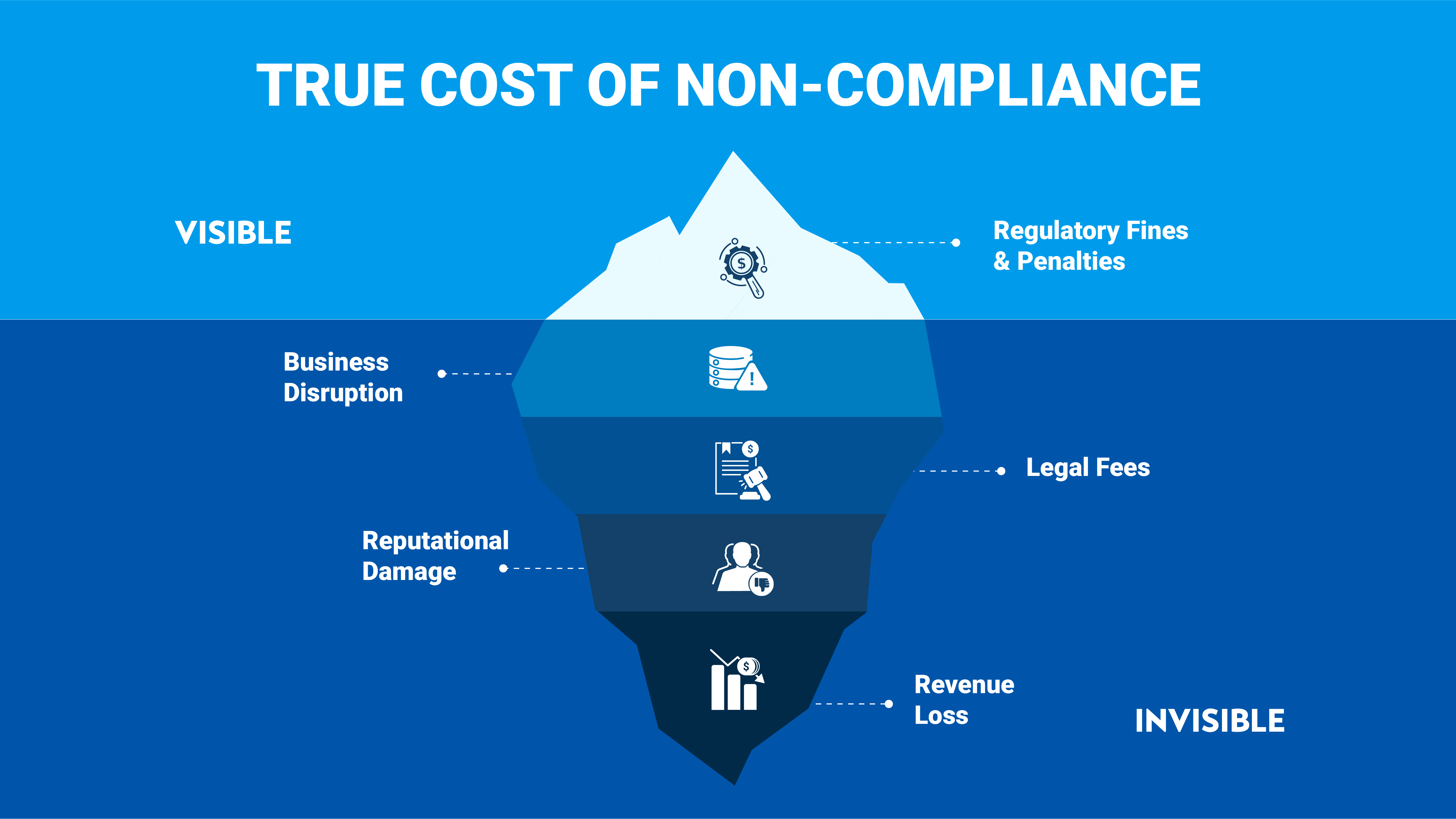
Compliance with OFAC regulations is not just a legal necessity; it is crucial for maintaining a company’s reputation and operational integrity. Non-compliance can lead to severe penalties, including substantial fines and even criminal charges against individuals within the organization. Furthermore, businesses that fail to adhere to OFAC regulations risk losing the trust of partners and customers, which can have long-lasting effects on operational success and brand equity.
Understanding OFAC Lists
At the core of OFAC regulations are various lists that identify individuals, companies, and countries subject to sanctions. The Specially Designated Nationals and Blocked Persons List (SDN List), for example, includes individuals and entities whose assets are blocked, and U.S. persons are generally prohibited from dealing with them. Understanding these lists is essential for compliance, as engaging with a listed entity can have serious legal repercussions.
Implementing Effective Compliance Programs
Developing a robust OFAC compliance program involves several key components:
- Risk Assessment: Conduct comprehensive risk assessments to identify potential exposure to OFAC sanctions. This assessment should consider factors such as geographical location, transactional patterns, and the nature of business operations.
- Internal Policies and Procedures: Create clear policies and procedures that address OFAC compliance. Ensure all employees understand their roles in maintaining compliance and the importance of adhering to sanctions.
- Training and Education: Regularly train employees on OFAC regulations, relevant lists, and compliance procedures. Ongoing education helps foster a culture of compliance within the organization.
- Transaction Screening: Implement systems for screening transactions against OFAC lists. Automated tools can help to efficiently identify potential matches and mitigate risks.
- Record Keeping: Maintain meticulous records of all compliance efforts, including risk assessments, training sessions, and transaction screenings. Proper documentation is essential for demonstrating compliance to regulators.
- Regular Audits: Conduct periodic audits of compliance programs to identify gaps and areas for improvement. Continuous monitoring can help detect any deviations from established protocols.
Risk Advisory and Its Role in OFAC Compliance
Risk advisory services play a pivotal role in assisting organizations to navigate OFAC compliance effectively. They provide specialized knowledge and expertise to identify vulnerabilities and implement strategies that mitigate risk. Key aspects of risk advisory in the context of OFAC compliance include:
Customizable Risk Strategies
Every organization is unique, and risk exposure varies widely based on industry, geographic presence, and operational complexity. Risk advisory services can tailor compliance frameworks to fit specific business needs, ensuring that compliance measures are both effective and efficient.
Monitoring Regulatory Changes
OFAC regulations can change frequently, reflecting shifts in U.S. foreign policy. Risk advisory services help organizations stay informed about these changes, ensuring that their compliance programs remain up-to-date. This vigilance is essential for avoiding unintentional violations.
Incident Response Planning
Despite best efforts, compliance issues may arise. Having a sound incident response plan enables organizations to react swiftly and effectively to any potential OFAC violations. This includes detailed protocols for investigation, remediation, and reporting to the appropriate regulatory bodies.
Conclusion
In today’s globalized economy, OFAC compliance is a vital aspect for businesses operating in or with connections to the U.S. market. The complexity of regulations and the potential consequences of non-compliance necessitate a well-structured compliance program bolstered by expert risk advisory services. By implementing effective compliance measures and fostering a culture of diligence and awareness, organizations can protect themselves from legal risks while navigating the challenges of international trade and investments.
Call to Action
As the landscape of global trade continues to evolve, businesses must prioritize OFAC compliance. Engaging with specialized OFAC Compliance & Risk Advisory firms can provide invaluable support in developing and maintaining robust compliance programs tailored to specific risks and regulatory requirements.