
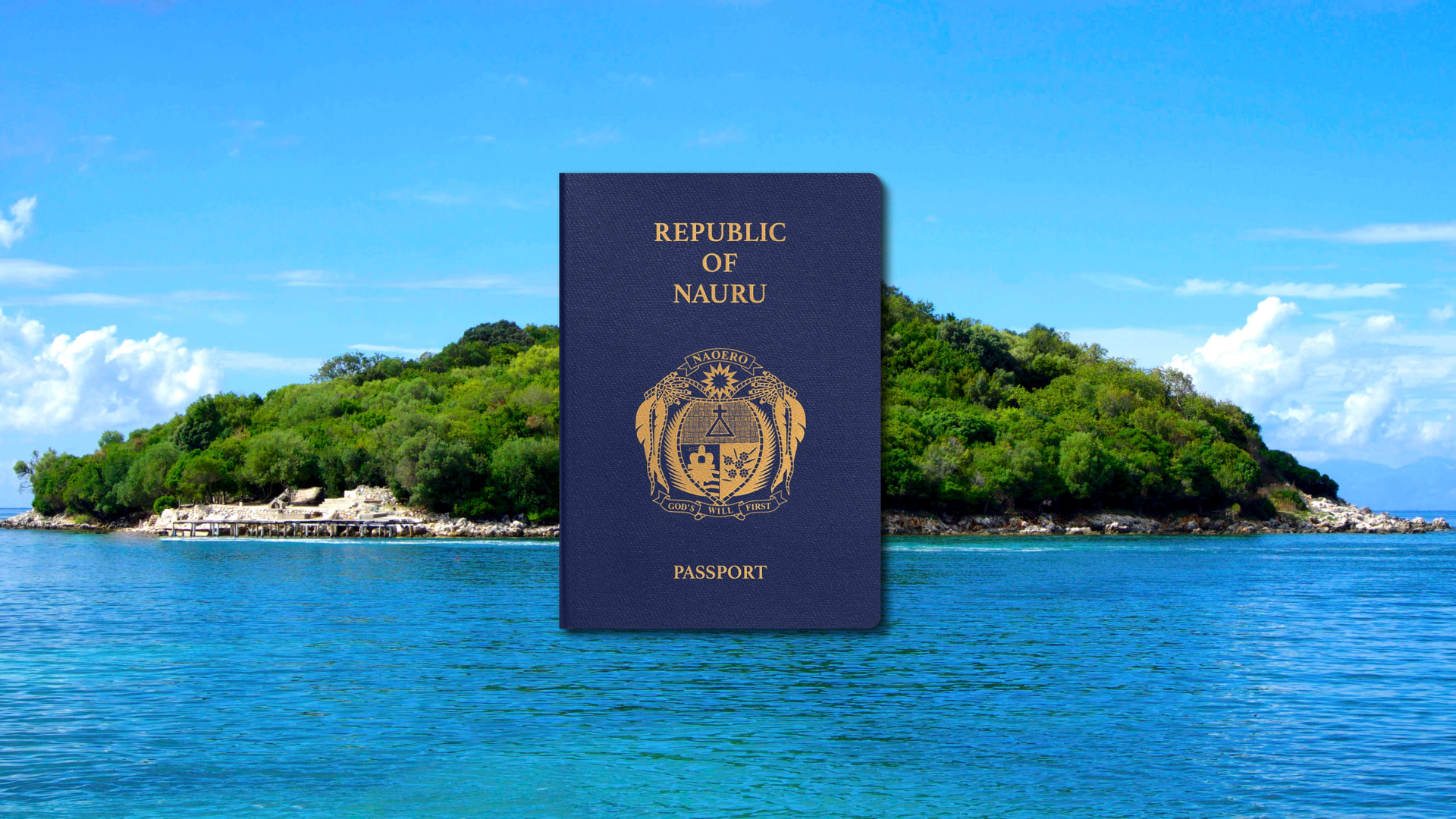
Nauru Citizenship Application Process
Nauru, a small island nation in the Pacific Ocean, offers a unique and relatively straightforward citizenship application process for eligible individuals. The process is designed to ensure that those who wish to call Nauru home are fully committed to integrating into its culture and society. In this article, we’ll explore the Nauru citizenship application process step by step, including eligibility requirements, required documentation, and tips to ensure a smooth application experience. For in-depth information, refer to the Nauru Citizenship Application Process.
Understanding Nauru’s Citizenship Policy
Nauru’s citizenship policy revolves around the principles of loyalty, residency, and cultural assimilation. The nation has primarily focused on attracting individuals who demonstrate a solid commitment to contributing positively to Nauru’s development and cultural landscape. As such, the following criteria must be met to qualify for citizenship:
Eligibility Criteria
- Applicants must have legally resided in Nauru for a stipulated period, typically ranging from 5 to 10 years.
- Demonstrated proficiency in the Nauruan language and understanding of local customs.
- Proven financial stability and means of supporting oneself and any dependents in Nauru.
- Good character, typically verified through police clearance certificates or background checks.
- A commitment to lawful behavior and respect for the laws of Nauru.
The Application Process
Once you have confirmed your eligibility, the application process begins. Here are the key steps involved:
1. Gather Required Documentation
Before submitting your application, compile all necessary documents. This may include:
- Birth certificate or equivalent identification.
- Proof of residency (such as utility bills or rental agreements).
- Police clearance certificates from your home country and any countries where you have recently resided.
- Evidence of financial stability, such as bank statements or employment letters.
- Completed application form (available at the Nauru Immigration office or their official website).
2. Submit Your Application
With all the documentation in hand, you can submit your application at the Nauru Immigration Office. It’s advisable to submit your application in person to ensure that you can address any questions from the immigration officials immediately.
3. Attend an Interview
Part of the application process often involves an interview. This is an opportunity for immigration officials to assess your suitability for citizenship. Be prepared to discuss your life in Nauru, your understanding of local customs, and your plans for the future.

4. Await the Decision
After your interview and the assessment of your application, a decision will be made. The processing time can vary significantly based on various factors, including the volume of applications and the completeness of your submitted documents. On average, it may take several months to a year to receive a decision.
Post-Application Steps
If your application is approved, you will receive information on the next steps to officially obtain your citizenship, including any fees that may need to be paid and the formalities involved in the process.
1. Citizenship Ceremony
New citizens are typically required to attend a citizenship ceremony. This event is significant as it marks the official granting of citizenship and often includes an oath of allegiance to Nauru.
2. Obtaining a Passport
Once y

ou are officially a citizen, you can apply for a Nauruan passport, which will facilitate international travel and further solidify your new status as a citizen of Nauru.
Challenges and Considerations
While the process for obtaining citizenship in Nauru is designed to be straightforward, there are challenges that applicants may face:
- Cultural Integration: Adapting to the local customs and language can be significant hurdles for some applicants.
- Documentation: Ensuring all required documentation is accurate and complete is crucial to avoid delays.
- Legal Guidance: It may be beneficial to seek legal advice on immigration matters, particularly if there are complexities in your situation.
Conclusion
Nauru offers a promising opportunity for individuals wishing to establish a new home in a unique island nation. By understanding the application process, eligibility requirements, and challenges possible in the Nauru citizenship application process, prospective applicants can prepare effectively for a successful transition to citizenship. Embrace the cultural richness and the community spirit of Nauru as you embark on this exciting journey.
For more extensive details and assistance, you might want to check local resources and consult with immigration professionals specializing in Nauruan immigration processes.