
The Impact of Racing Cancelations on UK Horse Racing Fans
Horse racing has long been a beloved sport in the UK, with a rich history that spans centuries. Each year, thousands of fans flock to racecourses, bet on their favorite horses, and follow the sport with fervor. However, there are times when horse racing events are canceled or not held, creating a ripple effect throughout the entire racing community. These cancelations can stem from various factors including poor weather conditions, health and safety regulations, or even global pandemics. In such circumstances, fans can turn to other interests, such as those found at UK Horse Racing Not on GamStop fed-cornishchoirs.org.uk, to fill the void left by racing events. This article delves into the reasons behind racing cancelations and explores their impact on horse racing enthusiasts across the UK.
Understanding the Reasons Behind Racing Cancelations
Several factors can lead to the cancelation of horse racing events in the UK. Weather conditions—particularly heavy rain, snow, or extreme heat—can make tracks unsafe for horses and jockeys. For instance, when the ground becomes excessively soft or muddy, it not only increases the risk of injury but can also alter a horse’s performance. Racetracks must prioritize safety, which is why they will often cancel events in the face of adverse weather.
Health and safety concerns can also play a significant role in the cancelation of races. During health crises, such as the COVID-19 pandemic, many sporting events were either canceled or held without spectators. These unprecedented circumstances emphasized the importance of public health and safety, forcing the horse racing industry to adapt to a rapidly changing environment. Such adjustments may have long-term implications for how racing events are conducted in the future.
The Economical Impact of Not Racing
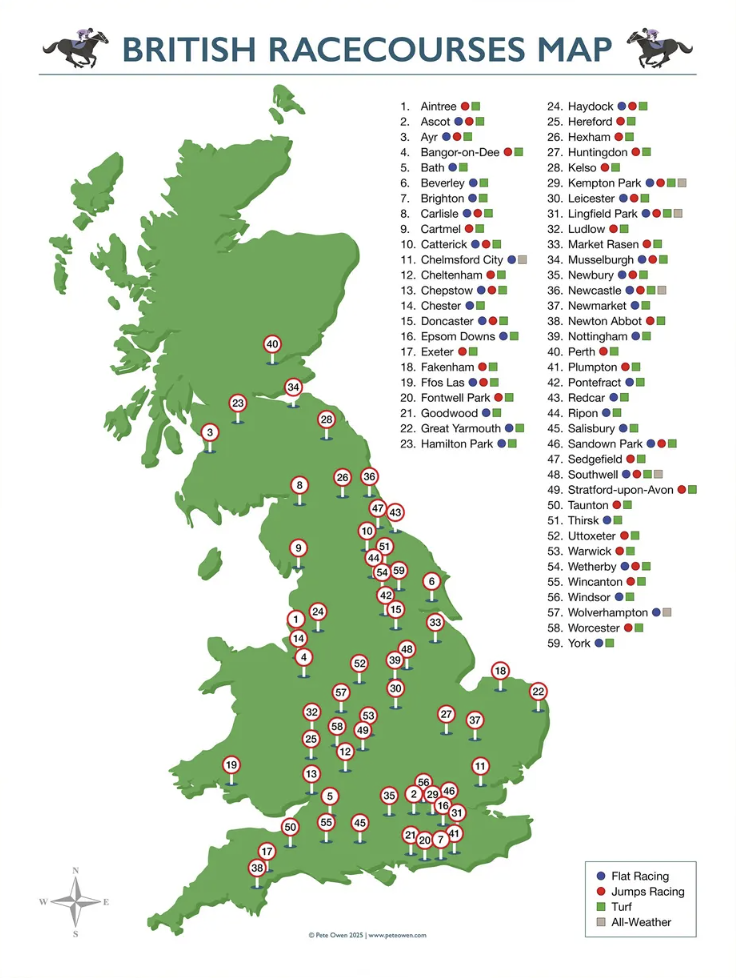
Cancellations have substantial economic implications, not only for the racecourses themselves but also for the broader community surrounding horse racing. Local businesses that rely on race day revenues—such as hotels, restaurants, and souvenir shops—suffer greatly when events are canceled. In bustling cities like Newmarket or Epsom, race days contribute significantly to the local economy, and their absence can lead to financial strain.
Moreover, trainers, jockeys, and stable staff face financial repercussions when racing opportunities are limited. For many, horse racing is not just a pastime; it’s their livelihood. Cancellations can disrupt previously planned training schedules and jeopardize the performance of horses due to lack of competition, which is essential for their development.
Fan Engagement during Cancellations
For die-hard horse racing fans, the cancelation of events can be particularly disheartening. Many fans engage not just as spectators but also as active participants in the betting scene. Betting shops and online platforms see decreased traffic during such times, leading to a diminished engagement with the sport.

To counteract the disappointment caused by racing cancellations, fans often turn to alternative sources of entertainment. Some might consider engaging with local activities, attending social gatherings, or exploring other sporting events. Communities around horse racing sometimes host virtual events or online discussions to keep fans connected, sharing insights about horses, jockeys, and future events. Additionally, interactions on social media platforms help maintain engagement among fans, allowing them to discuss their favorite horses while waiting for the return of live races.
The Future of UK Horse Racing and Potential Solutions
As the landscape of horse racing in the UK continues to evolve, it’s crucial for the industry to develop strategies to handle potential future cancellations. This could include investing in better drainage systems for tracks that are prone to flooding, or utilizing technology to monitor weather conditions more accurately. Furthermore, establishing contingency plans can help racecourses respond more swiftly to unexpected events, thereby minimizing disruptions to the racing calendar.
Another potential solution is the diversification of racing events. By staging more appearances at smaller, local tracks, the sport can broaden its appeal and reduce the economic impact caused by cancelations at major venues. Promotions, partnerships, and collaborations can help sustain interest and engagement among fans, ensuring the sport remains vibrant no matter the circumstances.
Conclusion
While the cancelation of horse racing events in the UK can lead to disappointment for fans, bettors, and the larger community that supports the sport, it also presents an opportunity for growth and adaptation. By understanding the reasons behind these cancellations and exploring innovative solutions, the horse racing industry can work towards a more resilient future that continues to captivate and engage fans. Ultimately, the love for horse racing endures, reminding us that while race days may sometimes be postponed, the spirit of the sport remains unbreakable.